Jason LangeRE/MAX Results • REALTOR®

Regional Guide · Lakes & Rivers

Waterfront Homes in the St. Croix Valley & East Metro

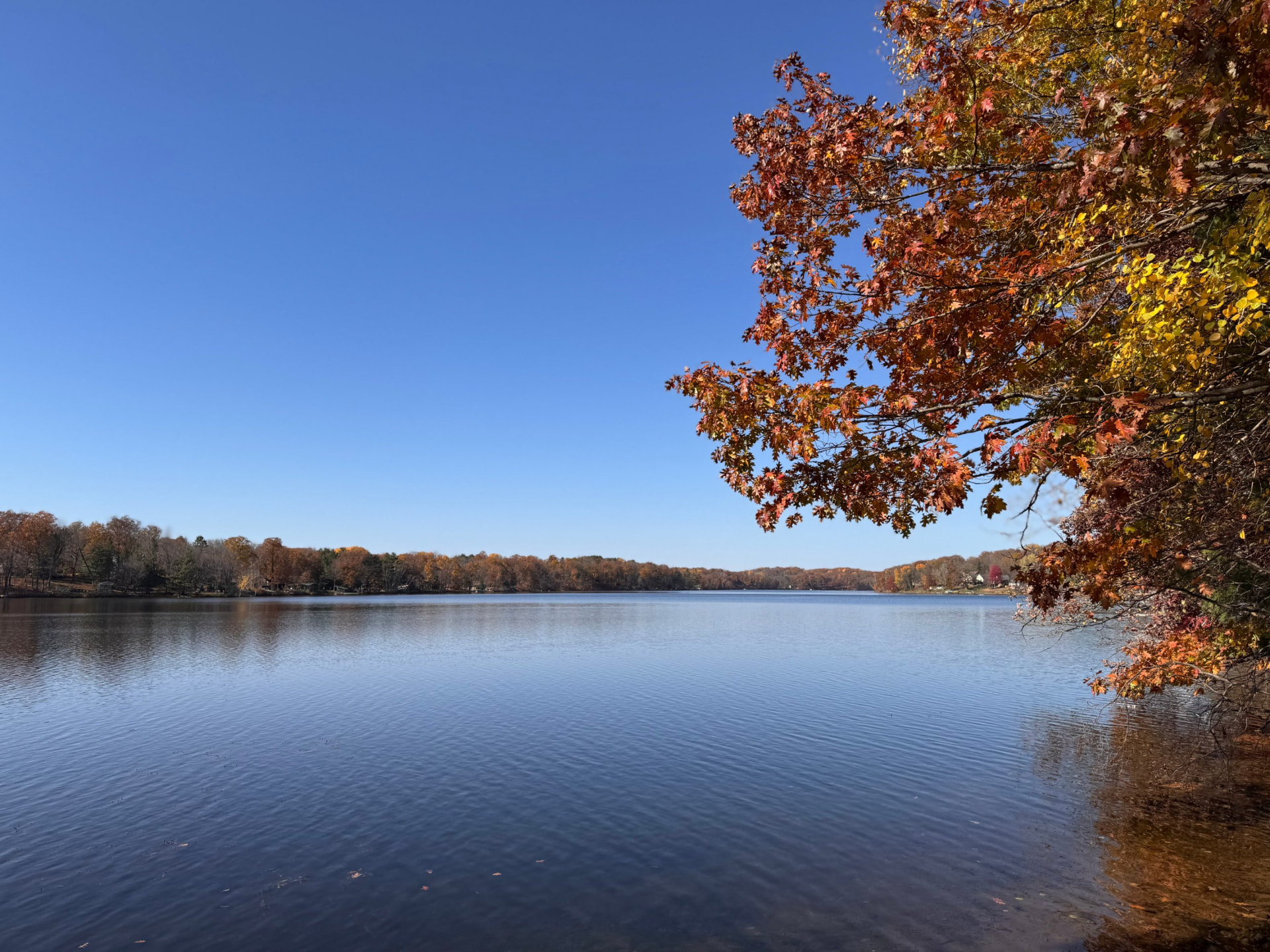
Sand Lake in Cumberland, Wisconsin in fall, with red and gold oak leaves over the water and a wooded shoreline of lake homes
Fall on Sand Lake in Cumberland, Wisconsin, at our family's cabin. Photo by Jason.

River homes on the St. Croix. Lake homes in Lake Elmo, Stillwater, Grant and Woodbury. Western Wisconsin lake and river property, from Hudson up to the Cumberland lakes in Barron County.

I'm Jason Lange, a REALTOR® with RE/MAX Results, licensed in Minnesota and Wisconsin. I help buyers and sellers with lake and river homes, and with the questions that make waterfront different: the shoreline, access rights, septic and well systems, financing, local rules and how the property is valued.

Waterfront in this part of Minnesota and Wisconsin covers a lot of ground. A bluff-top home above the St. Croix and a walkout on Lake Jane are both "waterfront," but they come with different rules, different buyers and different questions.

I've spent decades of summers at our family's cabin on Sand Lake in Cumberland, and I bring a lender's eye to how waterfront homes get appraised and financed. My job is to help you understand what you're actually buying or selling: the house, the lot, the shoreline and the rules that come with them.

Browse waterfront homes for sale: Washington County, MN · St. Croix County, WI

Why Waterfront Is Different

With a waterfront home, the land and the water often matter more than the house. Two homes at the same price can be very different values once you look at the frontage, the slope to the water, the depth off the dock and which way the shoreline faces.

A few things change when water is part of the deal:

  • The rules are stricter. Shoreland zoning, bluff setbacks and, on the St. Croix, federal and state riverway rules limit what you can build, add or change.
  • Comparable sales are harder to find. There are fewer waterfront sales, and no two shorelines are alike. Pricing takes more judgment and less formula.
  • Systems matter more. Many lake and river homes have a well and septic system. Minnesota requires sellers to disclose septic information, and some counties and cities also require a compliance inspection at sale. Washington County does, for example, with a few exceptions. Requirements vary by location, so I help clients sort out what has to be checked before buying or selling.
  • Appraisals and financing take more care. Lenders and appraisers look closely at unique properties. Knowing how they think helps avoid surprises late in the process.
  • The lake or river itself is part of the purchase. Water quality, depth, boat traffic, invasive species and water level history all affect how you'll use the property and what it's worth.

It also helps to be clear about what kind of waterfront a home actually has:

  • Direct waterfront means the property adjoins the lake or river. Even then, the exact boundary, riparian rights and allowed shoreline uses need to be verified.
  • Water view means the property overlooks the water without necessarily including any frontage.
  • Water access can come through an association, a deeded easement, a shared waterfront lot or another arrangement, often with waiting lists or rules of its own. The exact rights need to be reviewed in the documents.

All three can be appealing, but they're valued very differently, and buyers should know which one they're looking at.

Living on the St. Croix River

The St. Croix is the reason many people move to this part of the metro. On the Minnesota side, river homes run through Marine on St. Croix, Stillwater, Oak Park Heights, Bayport, Baytown Township, Lakeland, Lakeland Shores, Lake St. Croix Beach, St. Mary's Point and Afton. Across the river, Hudson and the Western Wisconsin river towns offer the same views from the other bank.

River property here comes with a set of rules most buyers haven't run into before. The Lower St. Croix was added to the national wild and scenic rivers system in 1972, and the protected stretch runs 52 miles from Taylors Falls to Prescott. Cities and counties enforce the rules through local riverway ordinances, which can be stricter than the state minimums.

Here are the Minnesota DNR's general statewide minimums. They aren't a ruling on what you can build or change on a specific property: the district the lot is in, the local ordinance, existing improvements and any recorded easements all need to be checked before you make plans.

  • Setbacks are large. Homes and other structures must sit 100 to 200 feet back from the river's ordinary high water level, depending on whether the lot is in an urban or rural district. Setbacks from the bluff line run 40 to 100 feet.
  • Lot coverage is capped. Rooftops, driveways, decks and patios together can cover no more than 20 percent of the lot.
  • Height is limited. Structures are limited to 35 feet, to keep development below the tree line.
  • View clearing is restricted. Trees larger than six inches in diameter can't be cut in the setback area, and vegetation that screens a home from the river has to stay.
  • Older homes have special rules. Many river homes were built before the rules existed. They can often be expanded if the addition stays out of view from the river in summer, but a full replacement has to meet today's standards.
  • Some lots carry scenic easements. The National Park Service holds many of these, mostly between Taylors Falls and Stillwater. Each one is different and can limit building height, placement and tree removal.

These are Minnesota's rules. On the Wisconsin side, river property in and around Hudson follows Wisconsin's own Lower St. Croix standards (Chapter NR 118), applied through local ordinances such as St. Croix County's riverway overlay district. Wisconsin lakes away from the river fall under county shoreland zoning based on Chapter NR 115. The numbers and terms differ from Minnesota's, so for a Wisconsin property I'd check with the local zoning office rather than assume the Minnesota standards apply. If you're looking on the Wisconsin side, you can search St. Croix County, WI waterfront homes.

High water matters too. When the river reaches 683 feet at the Stillwater gauge, the whole lower river becomes a slow, no-wake zone. If you're buying on the river, I'd want to know how the property has handled high-water years, where the septic system sits, and what the flood zone determination says.

None of this makes river property a bad idea. It means the questions you ask before you buy, or before you price a home to sell, are different. A home that looks like a teardown might not be one. A home that looks easy to expand might not be either.

Lake Homes Across the East Metro and Western Wisconsin

The river gets most of the attention, but the East Metro and Western Wisconsin have dozens of lakes with homes on them. They range from deep, clear recreational lakes to small, quiet lakes better suited to a kayak than a ski boat. Here's how I'd describe the main ones buyers ask about.
Lakes and rivers buyers ask about, by community
CommunityLakes and rivers buyers ask aboutWhat's worth knowing
Lake ElmoLake Elmo, Lake Jane, Lake DeMontreville, Olson Lake, Sunfish LakeLake Elmo reaches about 140 feet deep and is partly inside Lake Elmo Park Reserve. Jane, DeMontreville and Olson make up the Tri-Lakes area, with a channel linking DeMontreville and Olson and a volunteer lake association.
StillwaterLily Lake, McKusick Lake, Long LakeIn-town lakes with city parkland along part of the shore. Lily Lake is about 41 acres and 51 feet deep. Long Lake is shallow.
North of Stillwater (May Township, Scandia, Stillwater Township)Square Lake, Big Marine Lake, Big Carnelian Lake, Little Carnelian LakeLarger, more rural lakes known for water quality. Square Lake ranks in the top 1% for clarity in its region. Big Marine is the second largest lake in Washington County.
Mahtomedi, Dellwood, Birchwood, GrantWhite Bear Lake, Pine Tree LakeWhite Bear Lake covers about 2,400 acres with 14 miles of shoreline. Its water level has been the subject of a long-running legal dispute over groundwater use.
WoodburyColby Lake, Powers Lake, Wilmes Lake, Carver Lake, Bailey LakeSmaller lakes, several centered in city parks. Many Woodbury homes are near or overlooking the water rather than directly on it.
Cottage GroveMississippi RiverSome properties along Grey Cloud Trail have river frontage or deeded river access, often on larger lots with private well and septic.
AftonLake Edith, plus the St. CroixAfton is mostly a river and acreage market. Lake Edith is one of the county's higher water quality lakes.
Hudson, WILake Mallalieu, plus the St. CroixLake Mallalieu is a dammed flowage of the Willow River in North Hudson, connected to the St. Croix and a few minutes from downtown.
Cumberland, WI (Barron County)Beaver Dam Lake, Sand LakeBeaver Dam Lake covers about 1,169 acres in two basins split by Highway 63 and reaches 106 feet, the deepest lake in Barron County. Sand Lake is about 318 acres and 57 feet deep, with a sand and gravel bottom. My family's cabin is on Sand Lake.
Pine City (Pine County)Cross LakeAbout an hour up I-35. A lake town that works for full-time living with a commute or a weekend place. I currently have a listing on Cross Lake.

Every one of these lakes is different in depth, clarity, boat traffic, invasive species and how the shoreline is zoned. Two homes a mile apart can sit on lakes that offer completely different summers. That's why I start with how you want to use the water, then narrow down the lakes, then the homes.

Note: lake details are drawn from Minnesota and Wisconsin DNR, watershed district and lake association sources listed at the end of this page. Lake conditions change, so confirm current information for any specific lake.

What Owning a Lake Cabin Has Taught Me

My family has had our cabin on Sand Lake in Cumberland for years. I don't just help people buy and sell lake homes. I know what it takes to own one.

That means I know the seasonal work, the repairs that come up when you least expect them, and the ongoing costs that don't show up in a listing. I also know the good part: what a quiet morning on the water is worth, and why people hold on to lake places for generations.

That experience changes how I help clients. When we look at a lake home, I'm weighing the pros and cons of the house and the lake itself: the shoreline, the depth, the traffic, the upkeep, and whether it fits how you actually want to spend your time. Some lakes and some homes are a better fit than they look in photos. Others take more work than people expect. I'd rather you know that before you buy.

And if you're looking at lake property in Cumberland, my first recommendation has nothing to do with houses. Every trip to Sand Lake starts with a stop at Louie's Finer Meats. Aside from the steaks, my go-to is their Wisconsin Sausage, a summer sausage made with cheddar, cranberries, maple syrup and honey. At the cabin, it goes on a sandwich with a slice of cheddar.

One Lake Home, or a Home in the Cities Plus a Cabin?

This is one of the most common questions I hear, and there's no single right answer. It comes down to how you want to live and how much upkeep you're willing to take on.

One home on a lake compared with a home in the cities plus a cabin
One home on a lakeA home in the cities plus a cabin
The feelLake life every day, with no packing or driving to get thereA real getaway: you leave work and the routine behind
UpkeepOne roof, one yard, one driveway to plowTwo of everything: repairs, lawn mowing and, if the cabin is used year-round, snow removal at both
TimeYour free time goes to the lake, not the roadWeekends start with a drive, and some weekends go to chores at the cabin
LocationYou live where the lake is, which may mean a longer commuteYou can live close to work and still have a lake place
CostsOne mortgage, one set of taxes and insuranceTwo of each. Only your primary residence qualifies for homestead treatment, so the cabin's taxes are usually higher
FinancingA standard primary residence loanSecond home loans often carry different down payment and rate requirements

Some people love the ritual of heading to the cabin. For them, the drive is where the weekend begins. Others find that two places means double the work and half the relaxing. Neither is wrong.

Having owned a cabin myself, and with my background in mortgage lending, I can help you think through both sides honestly: the lifestyle, the upkeep and the numbers.

Buying a Waterfront Home

When you're buying on the water, the listing photos are the least useful part of the information. Here's what I help buyers look at before writing an offer:

  • The shoreline itself. Frontage, slope to the water, bottom conditions, depth off the dock and which direction it faces. A hundred feet of frontage isn't always a hundred usable feet.
  • What you can change later. Setbacks, lot coverage limits and bluff rules decide whether you can add on, rebuild or clear for a view. On the St. Croix, those rules are stricter than almost anywhere else in the metro.
  • Septic and well. Age, location, last inspection, and whether there's room for a replacement system if the current one fails.
  • Docks and lifts. Whether they're included, whether they meet current rules, and what seasonal installation costs. In Wisconsin, the same structure is called a pier and is permitted differently.
  • Water levels and flood history. How the property has handled high-water years, and what the flood zone determination means for insurance.
  • Invasive species and water quality. Whether the lake has zebra mussels or Eurasian watermilfoil, and what the water quality trend looks like.
  • Financing and appraisal. Waterfront homes can be harder to appraise because there are fewer direct comparable sales. I look at that early, so a low appraisal doesn't catch you by surprise.

I've written more detail in Top 10 Questions to Ask Before Buying Lakefront Property in Minnesota and the Western Wisconsin version.

When you're ready to look, you can search current waterfront listings on my home search site in Washington County, MN or St. Croix County, WI, then we can talk through the ones that fit.

Selling a Waterfront Home

Pricing waterfront is where experience matters most. There are fewer sales to compare, and the differences between them are bigger. A home with level, sandy frontage and a home with a steep bank and mucky bottom can be similar inside and sell very differently.

When I help a waterfront owner sell, the work usually includes:

  • Pricing the land and the water, not just the house. Frontage, orientation, usability and the lake or river itself carry real value. I look at what buyers actually paid for those features, not just square footage.
  • Getting ahead of the questions. Septic compliance, dock and lift details, permits for past shoreline work, and any riverway or shoreland issues. Answering these before buyers ask keeps the deal on track.
  • Planning for the appraisal. Unique homes are harder to appraise. I prepare the support an appraiser needs so the price we agree on holds up.
  • Marketing the setting. Waterfront buyers want to see the shoreline, the view and the water in season. Timing and photography matter more here than for most homes.
  • Reading offers with the financing in mind. The highest offer isn't always the best one, especially when appraisal risk is higher than usual.

If you're thinking about selling a lake or river home, even a year or two out, I'm happy to walk the property with you and talk through what I'd do, and what I'd leave alone.

One of My Favorite Waterfront Sales: Mississippi Riverfront in Cottage Grove

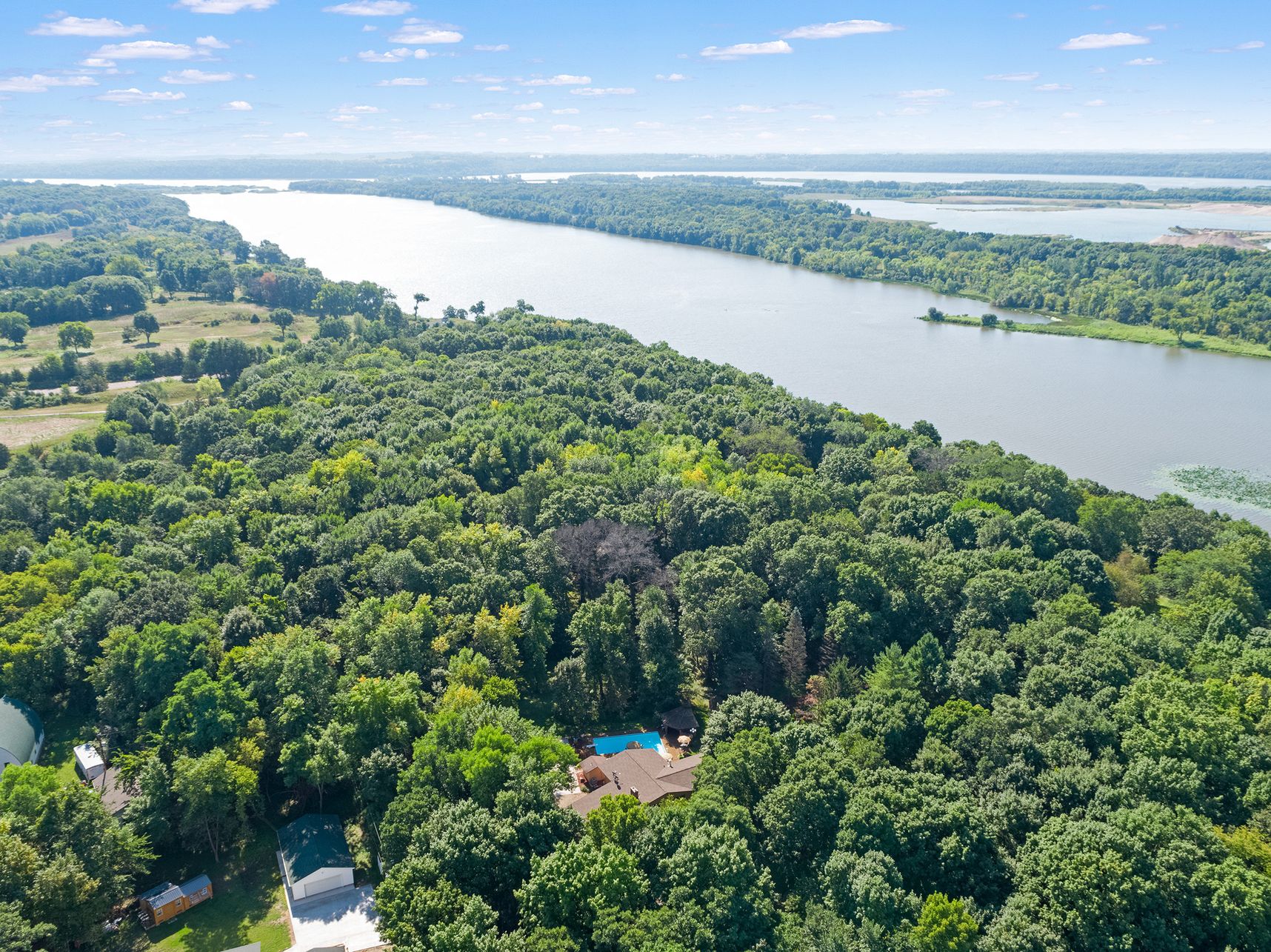
One waterfront property that has always stood out to me is 10651 Grey Cloud Trail S in Cottage Grove. I represented the sellers of this unique home situated on 2.45 acres along the Mississippi River, and I still remember what wonderful people they were to work with.

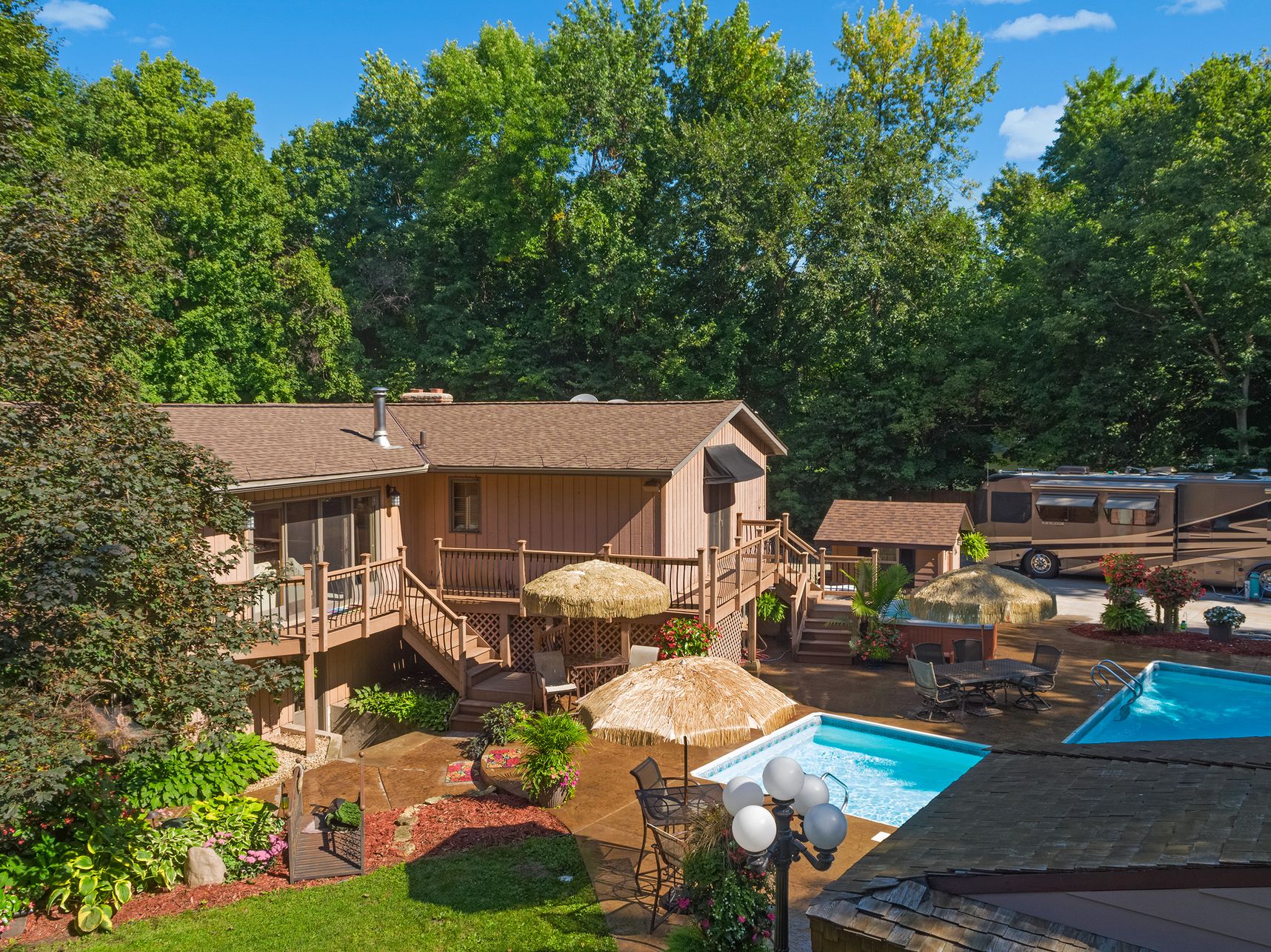
Built in 1975, the home offered approximately 3,060 finished square feet, a walkout lower level, a heated in-ground pool, and the opportunity to enjoy the river right from the property. With its wooded setting, private well and septic system, and room for a dock and boat, it offered a lifestyle very different from a typical neighborhood home.

Aerial view of 10651 Grey Cloud Trail S in Cottage Grove, a wooded 2.45-acre lot with a pool, running to the Mississippi River
The 2.45-acre lot runs through the trees to the Mississippi River.
Backyard at 10651 Grey Cloud Trail S, Cottage Grove: walkout home with deck, heated in-ground pool, patio and motorhome pad
Deck, heated in-ground pool and patio, with the large concrete pad beside the house.

The property sold for $445,000 in April 2019.

What made this listing memorable wasn't simply the home itself. It was the combination of a truly distinctive property and sellers who were such a pleasure to work with. It also reinforced how important it is to understand the kind of buyer who will appreciate what makes a waterfront property special.

River frontage, acreage, privacy, and recreational opportunities all contributed to this home's appeal. Those are qualities that deserve thoughtful marketing and a pricing strategy tailored to the property.

That's something I carry into my work today. Whether I'm helping someone sell a lake home or evaluate a riverfront property, I believe the strategy should reflect what makes that particular property special, rather than treating it like every other home on the market.

Listed Now: Cross Lake in Pine City

I'm currently representing the sellers of 16540 Edgewater Rd NE in Pine City, listed at $525,000. It's a 1964 home on Cross Lake with six bedrooms, about 3,460 finished square feet, a walkout lower level to a lakeside patio, and a private dock with a boat lift. Pine City is an easy drive up I-35, so it works as a full-time home with a hybrid commute or as a weekend place.

This one is a good example of how different lake homes can be behind the scenes. It's on city sewer, so there's no private septic system to inspect or replace, which removes one of the bigger unknowns with a lake home. It shares a well with neighboring homes, so the questions shift: who's on the well, how costs and repairs are split, whether there's a written agreement, and what recent water tests show. Neither setup is good or bad on its own. Buyers just need to know which one they're getting and what comes with it.

Common Questions

Common Questions About Waterfront Homes

What areas do you cover for waterfront homes?

The St. Croix River from Marine on St. Croix through Stillwater, Bayport, Lakeland and Afton, plus Hudson on the Wisconsin side. On the lake side, Lake Elmo, Stillwater, May Township and Scandia, Mahtomedi and the White Bear Lake area, and Woodbury. On the Mississippi, Cottage Grove along Grey Cloud Trail. In Western Wisconsin lake country, Beaver Dam Lake and Sand Lake around Cumberland. North on I-35, Cross Lake in Pine City.

Can I tear down an old river cabin and build a bigger home?

Often not as easily as buyers expect. On the Lower St. Croix, a replacement home has to meet current setbacks, height and lot coverage rules, while an addition to an existing home may be allowed if it stays out of view from the river in summer. Talk with the local zoning office before you buy.

Can I clear trees for a better river view?

Only in limited ways, and only with a permit. Within the setback area and on steep slopes, the Lower St. Croix rules generally protect trees over six inches in diameter and vegetation that screens a home from the river. Some activities, like removing diseased trees or building a stairway to the water, may be allowed. Check with the local zoning office before cutting anything.

Is a lake home or a river home a better fit?

It depends on how you want to use the water. Lakes often offer swimming, a defined shoreline and a lake community. The river offers long-distance boating and views, with stricter building rules and high-water no-wake periods. I'm happy to talk through both.

How is a waterfront home priced?

With more judgment than a typical home. I look at recent waterfront sales on the same and similar lakes or river stretches, then adjust for frontage, slope, orientation, depth, and what can and can't be built on the lot.

Do you work with buyers, sellers or both?

Both. Many waterfront clients are selling one home while buying another, and coordinating that timing is part of the job.

What's the difference between lakefront, lake view and lake access?

Lakefront means the property adjoins the lake, though boundaries and riparian rights should still be verified. Lake view means you can see the water without owning frontage. Lake access usually means a shared beach, association dock, deeded easement or slip, with rights spelled out in the documents. They're priced very differently, so it's worth knowing which one a listing actually offers.

Is it better to own one lake home or a home in the Twin Cities plus a cabin?

It depends on how you want to live. A cabin gives you a true getaway, but it also means two homes to maintain: two sets of repairs, two lawns, and snow at both if the cabin is used year-round, plus a second set of taxes and insurance. One home on a lake means lake life every day with half the upkeep, but you live where the lake is. Jason has owned a family cabin for years and can help you weigh both.

What makes Jason Lange a good choice for buying or selling waterfront property in the St. Croix Valley?

Waterfront real estate involves more than evaluating the house itself. Shoreline conditions, access rights, local regulations, financing, and even how you plan to use the water can influence whether a property is the right fit.

Jason Lange brings both professional and personal experience to those decisions. A REALTOR® with RE/MAX Results, Jason has been licensed since 2004, has completed more than 450 real estate transactions, and holds licenses in Minnesota and Wisconsin.

His experience includes helping people evaluate waterfront properties on both sides of the St. Croix River, representing the sellers of a Mississippi Riverfront home in Cottage Grove, marketing a Cross Lake home in Pine City, and advising friends and clients about lake lots and shorelines.

He's also spent decades at his family's cabin on Sand Lake in Cumberland, Wisconsin. That personal connection to lake life, combined with his background in mortgage lending, gives him a practical understanding of waterfront ownership, property values, financing, and the questions worth asking before making a decision.

Whether you're ready to buy or sell or simply exploring your options, Jason's approach is to help you understand the possibilities, potential challenges, and next steps without pressure.

Talk with Jason about your waterfront plans.

Related Reading

Let's Talk About Your Waterfront Plans

Whether you're looking at a walkout on Lake Jane, a river home in Bayport or a cabin up in Cumberland, the first step is the same: a conversation about what you want from the water. No pressure. No obligation.

Thinking about selling a waterfront home? Find out how your shoreline, condition and recent waterfront sales affect what your home is worth.

Looking to buy on the water? Browse current listings, then let's talk about which lakes, river locations and home types fit how you want to live.

Call or text 612-247-7593 · jason.lange@remax.net

This page is general information about real estate considerations. It isn't legal advice on riverway rules, shoreland zoning, DNR permitting or invasive species law. For a specific property, check with the local zoning office, the Minnesota DNR or Wisconsin DNR, or a real estate attorney.

Jason Lange, REALTOR® with RE/MAX Results. MN License #20457477 · WI License #62499-94

Sources