Top 10 Questions to Ask Before Buying Lakefront Property in Minnesota
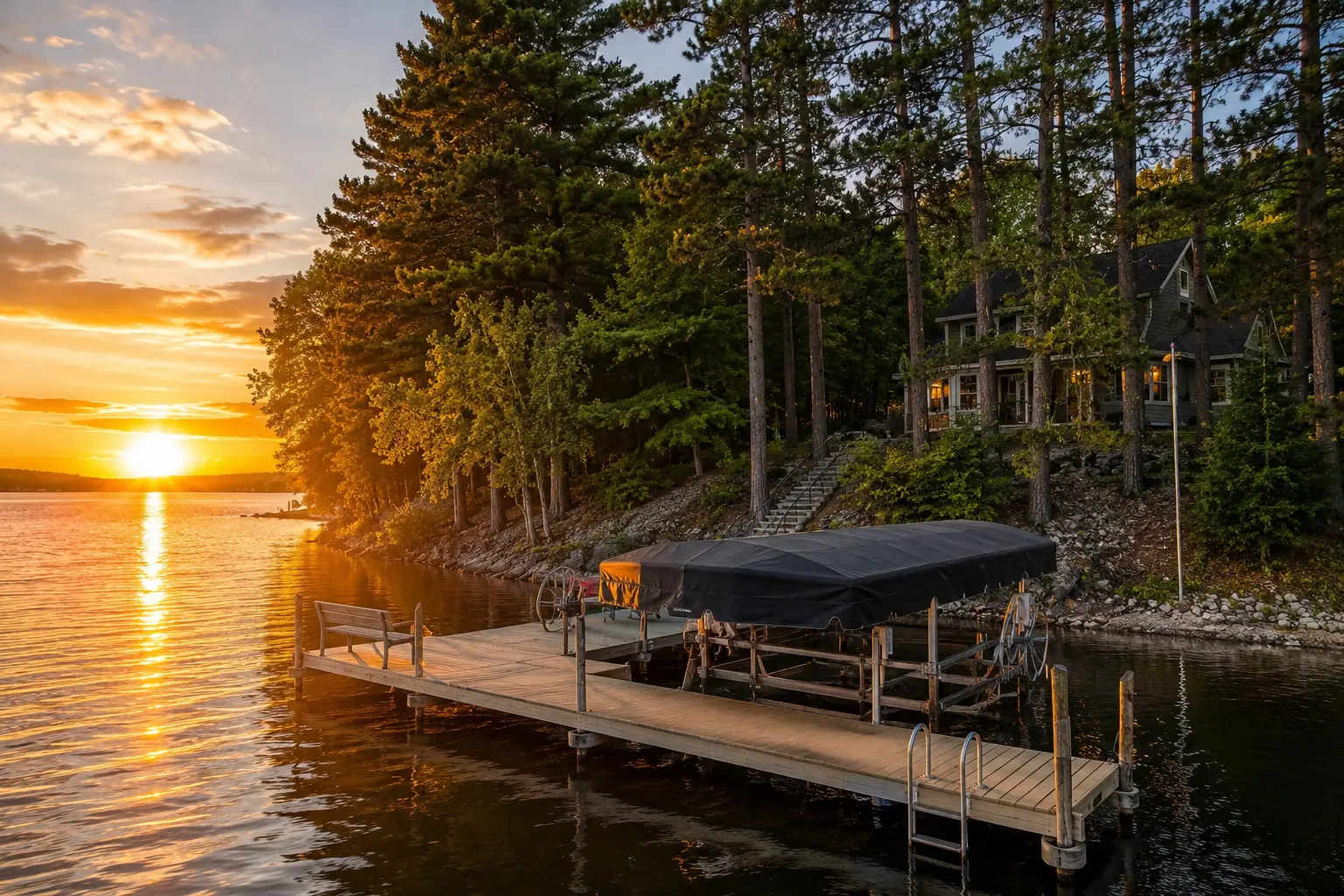
The Short Answer
Buying a lakefront home in Minnesota means buying more than a house, you're buying shoreline, water access, and a set of rules that don't apply to a typical home purchase. The 10 questions below cover riparian rights, dock permitting, invasive species, septic and well systems, water level history, rebuild restrictions, ownership costs, and how to know if a lake actually fits how you want to live. Working through them before you make an offer means fewer surprises later.
Minnesota has more than 11,000 lakes, and lakefront homes come up for sale across the state, from the Twin Cities metro to smaller communities like Pine City on Cross Lake. After more than two decades helping buyers and sellers throughout Minnesota and western Wisconsin, I've learned that buying a lake home requires a different kind of due diligence than a typical purchase. You're not simply buying a house, you're buying the shoreline, the water access, the lake itself, and the rules that come with owning waterfront property.
This isn't only professional experience for me. I've spent decades of summers on a family lake cabin, and that time, along with helping friends and clients evaluate lots and shorelines, has taught me a lot about what actually matters in a piece of lake property, beyond what shows up in listing photos.
1. What Rights Do I Actually Have to the Water and Shoreline?
When you buy lakefront property, you're generally buying riparian rights along with the land, the legal right to access and use the water adjacent to your property. In Minnesota, this typically includes reasonable use of the shoreline, the right to install a dock, and access for swimming and boating.
What it doesn't always include is unlimited control over the water itself. Public lakes remain public, meaning boats and other lake users can generally pass by your shoreline even though you own the land up to the water's edge. It's also worth confirming whether there are any easements, shared access agreements, or right-of-way arrangements tied to the property, since these can affect how much of the shoreline is truly yours to use.
2. What Does the Shoreline Really Look Like, and Is the Frontage Usable?
Here's a phrase worth remembering: 100 feet of lakefront doesn't necessarily mean 100 feet of usable lakefront. Photos taken on a beautiful July afternoon don't always tell the full story. A few things worth understanding before you buy:
- Bottom conditions and depth. Is the shoreline sandy, rocky, or mucky? How deep is the water at the end of the dock? A gorgeous view doesn't guarantee good swimming.
- Steepness and access. How steep is the walk from the house down to the water? This affects everything from daily usability to how much a future dock or stairway project might cost.
- Erosion and rip rap. Rip rap, the layer of rock placed along a shoreline, is one of the most common ways to stabilize a bank and prevent erosion from waves and ice movement. If a property has rip rap installed, ask when it was done and whether it was permitted, since shoreline alteration on Minnesota lakes generally requires a DNR permit. A shoreline showing erosion without any stabilization is worth factoring into your decision.
- Seasonal changes in vegetation. Shallow bays and certain lake conditions can lead to lily pads, cattails, or algae blooms that are far more visible at some points in the season than others. If possible, ask whether photos from other seasons are available, or plan a visit later in the summer before you finalize a decision.
- Which direction the shoreline faces. A west-facing shoreline gets more afternoon and evening sun, which many buyers want for swimming and sunset views, but can also mean warmer, more algae-prone water in shallow areas. An east-facing shoreline tends to stay a bit cooler through the afternoon. Neither is inherently better, it depends on how you plan to use the property.
3. Can I Install or Keep a Dock, Boat Lift, or Swimming Platform?
A quick note on terminology: Minnesota's regulations use the term "dock" for this structure. Just across the border, Wisconsin's state statutes and DNR permitting use "pier" for the same thing. They mean the same structure, but the terminology matters if you're researching permits for a specific state.
The answer to "can I put in a dock" isn't automatically yes just because it's your property. Minnesota's DNR and most counties have specific rules around dock length, placement, and seasonal removal requirements. A few things worth confirming during your purchase:
- Whether the dock and lift are owned outright and included in the sale, or whether there's a separate agreement or lease involved.
- Whether the dock's current size and placement comply with current shoreline zoning, since regulations can change over time and older docks are sometimes grandfathered in.
- The general condition of the dock and lift, since replacement costs can be significant.
Your real estate agent can help you understand what applies to a specific property, but it's also worth a quick call to the local county zoning office if you have detailed questions.
4. What's the Septic and Well Situation?
Many lake homes, especially older ones, rely on well water and septic systems rather than city utilities. Some properties also share a well system with a neighboring property or a small group of homes on the same lake.
Worth asking:
- What type of septic system is it, how old is it, and when was it last inspected or pumped?
- If the current system ever fails, is there actually room on the lot to install a replacement? This is an easy question to overlook, but it matters more on a lake lot than almost any other property type.
- Is the well shared, and if so, what's the maintenance arrangement?
- Has the water been tested recently, particularly if the well is older or has an unclear maintenance history?
In most Minnesota transactions, a septic compliance inspection is required at the time of sale and is customarily arranged and paid for by the seller, many counties require a Certificate of Compliance before closing can happen. As the buyer, it's still worth reviewing those results carefully yourself, and considering a separate well water quality test, since replacement costs for either system can run into the thousands of dollars if something is missed.
5. Does This Lake Have Aquatic Invasive Species, and What Are My Obligations?
This is a Minnesota-specific issue worth taking seriously. Zebra mussels, Eurasian watermilfoil, starry stonewort, and other invasive species can affect swimming, boating, fishing, and equipment, and once established in a lake, they're extremely difficult to remove.
Minnesota law requires everyone, regardless of whether a lake is known to have invasive species, to clean watercraft and equipment, drain all water before transport, and dispose of bait properly. One rule that surprises a lot of buyers: Minnesota law requires docks, lifts, and rafts to be dried for 21 days before being moved from one water body to another. If you're purchasing dock or lift equipment along with the home, or planning to move your own equipment from a previous lake property, this is worth planning around.
It's also worth asking the seller or a local DNR aquatic invasive species specialist whether the specific lake has any known infestations, since that can affect both your use of the property and future resale.
6. How Does the Water Level Fluctuate, and Could That Mean Flooding or Erosion?
People naturally focus on the view, but it's worth asking how the water has behaved historically at a specific property, not just how it looks on the day you tour it. Whether a lake is natural or has an outlet controlled by a dam affects how much its level changes throughout the year.
High water can affect shoreline erosion, dock access, wells, septic systems, and even structures close to the water. It's worth asking the seller, neighbors, or local officials how the water level has trended in recent years, and whether the property has ever experienced flooding or notable erosion as a result.
7. Can I Remodel, Expand, or Rebuild Later If I Want To?
This is one of the more important questions on this list, and one buyers most often skip. Don't assume that because a home exists on a lot today, you can replace it with whatever you want tomorrow.
Shoreland setbacks, lot dimensions, impervious surface limits, bluff restrictions, vegetation requirements, and septic placement can all substantially affect what can legally be built on a lakefront lot. An older cabin on a lake lot might be far more limited in terms of future rebuilding or expansion than it appears, particularly on a narrow or steep lot. If a future remodel or teardown is part of your plan, confirm what's actually allowed with the county before you buy, not after.
8. What Does It Really Cost to Own a Lake Home?
The mortgage isn't the only cost of owning a lake home. Buyers often research the purchase price carefully but underestimate the ongoing costs that come with lakefront living, including:
- Property taxes, which are often higher for lakefront parcels
- Homeowners insurance, and potentially flood insurance depending on the property
- Seasonal dock and boat lift installation and removal
- Septic and well maintenance
- Shoreline and rip rap maintenance
- Tree work, particularly on wooded lake lots
- Winterization and snow removal, especially on a seasonal or weekend property
- Association fees or private road maintenance costs, where applicable
None of this should be a dealbreaker, but it's worth budgeting for realistically rather than being surprised after closing.
9. Is This Lake Actually Right for What I Want to Do?
A beautiful lake view doesn't guarantee you'll enjoy the lake itself. Before you fall in love with a property, it's worth confirming the lake fits your actual plans:
- Water clarity, depth, and size, and whether the lake supports the swimming, boating, or fishing you have in mind
- Motor size restrictions, no-wake zones, or other use regulations on that specific lake
- Boat traffic and noise level, especially on busier recreational lakes
- Nighttime light reflection off the water from neighboring homes, which can be more noticeable than people expect on a quiet lake
A quiet, weedy, shallow lake and a large, clear, motor-friendly lake offer very different lifestyles, even if the homes themselves look similar on paper.
10. What Am I Really Buying: the House, the Lot, or the Lake?
This is the question that ties everything together. Two homes priced similarly can represent very different value. One might have a beautifully remodeled interior on a lot with mediocre frontage. Another might be an outdated cabin sitting on an exceptional west-facing lot with excellent swimming access and clean water.
For many lakefront properties, the land, frontage, elevation, orientation, and the lake itself ultimately matter more than the countertops. That's the conversation an experienced lake-property agent should be having with you, and it's worth having before you fall for a listing photo.
This post is for general informational purposes and reflects real estate considerations only. It isn't legal advice regarding riparian rights, shoreline zoning, DNR permitting, or invasive species law. For guidance specific to a property, please consult a real estate attorney, the Minnesota DNR, or your local county zoning office.
Related Reading
Selling a lakefront home instead of buying one? The East Metro Home Selling FAQ covers waterfront-specific disclosure requirements, flood zone determinations, and dock rights.
East Metro Home Selling FAQ →Frequently Asked Questions
Do I automatically get full control over the water in front of my property?
+
No. Riparian rights generally give you reasonable use of the shoreline and the ability to install a dock, but the lake itself typically remains open for public use, including boat traffic passing along your shoreline.
Do I need a permit for a dock in Minnesota?
+
Larger or unusual dock configurations often do, and Minnesota's DNR and most counties have specific rules around dock length, placement, and seasonal removal. Older docks are sometimes grandfathered in under previous rules, so it's worth confirming with local zoning before modifying or replacing one.
How do I know if a lake has zebra mussels or other invasive species?
+
Check the Minnesota DNR's infested waters list for the specific lake, and ask the seller or a local DNR aquatic invasive species specialist directly. It's also worth inspecting any dock, lift, or boat included in the sale for visible signs before you buy.
Can I add sand or make other changes to my shoreline?
+
Generally, altering a Minnesota lake shoreline, including adding sand, rip rap, or other material, requires a DNR permit. This is regulated separately from county zoning, so check with the DNR directly if you're planning any shoreline work.
Can I tear down an old cabin and build a bigger house in its place?
+
Not necessarily, and this is one of the most overlooked questions on this list. Shoreland setbacks, lot size, impervious surface limits, and bluff restrictions can significantly limit rebuilding or expansion on a lakefront lot. Confirm what's allowed with the county before assuming a teardown or major addition is possible.
Is buying a lake home really different from buying a regular house?
+
Yes, in several ways. You're evaluating the lake itself, not just the house, dealing with systems like wells and septic that a typical home may not have, and navigating shoreline-specific rules around docks, permits, and rebuilding that don't apply to non-waterfront property.
About the Author
Written by Jason Lange
Jason Lange, REALTOR® with RE/MAX Results since 2004, bringing a finance background dating back to 1997 to every transaction. Serving homeowners across Minnesota and Western Wisconsin. Give me a call or text at 612-247-7593, or email me at jason.lange@remax.net.
More about Jason →