Which Home Improvements Actually Pay Off Before You Sell
The Short Answer
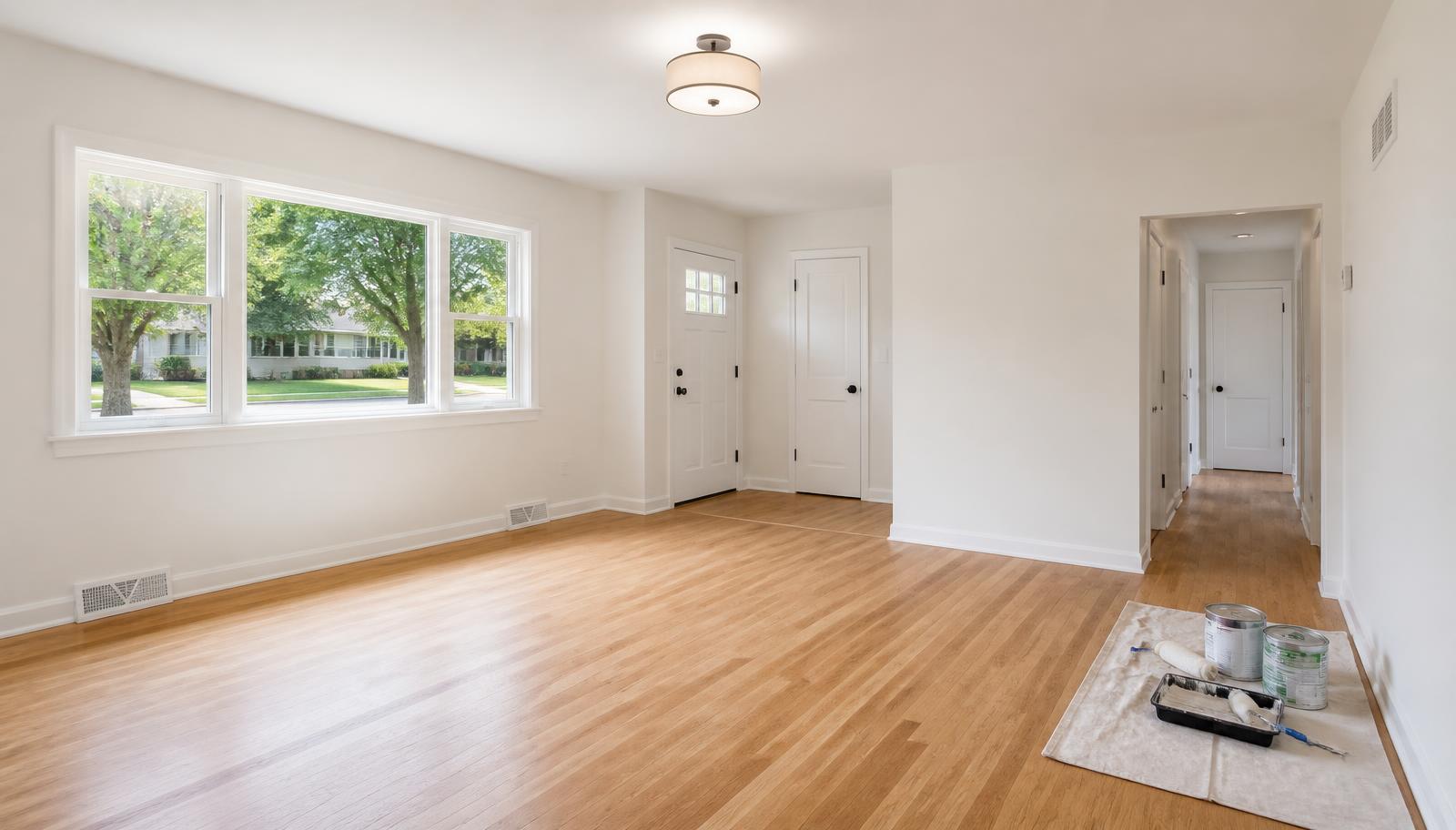
Not every improvement adds value, and over improving a home is one of the most common and costly mistakes sellers make. In general, updates that address a home's age or outdated finishes, such as flooring, paint, lighting, and fixtures, tend to return the most value relative to their cost. Major structural changes and highly personalized upgrades tend to return far less, and are often unnecessary before selling.
Why This Question Matters So Much
Every seller wants to know the same thing before listing. Should I spend money to prepare the home, or will buyers pay for that themselves after closing? The honest answer is that it depends heavily on which improvements you are considering, since some updates consistently return strong value, while others rarely pay for themselves.
The Improvements That Tend to Pay Off
Across hundreds of transactions, a pattern shows up again and again. Buyers respond most strongly to updates that make a home feel current and well cared for, rather than updates that are expensive or elaborate.
The improvements that tend to return the most relative to their cost include:
- Fresh, neutral paint throughout the home
- Updated flooring, particularly replacing worn or dated carpet
- Modern light fixtures, switches, and outlets
- A thorough professional cleaning before photography and showings
- Small kitchen and bathroom refreshes, such as new hardware or fixtures, rather than a full remodel
These updates share something in common. They remove the visual signals that make a home feel dated, without requiring the buyer to guess what is underneath a major renovation.
A Real Example
After accounting for the cost of those improvements, the sellers netted approximately fifty thousand dollars more than they likely would have received by selling the home in its original condition.
That outcome was not the result of a full renovation. It came from a focused list of updates chosen specifically because they were likely to influence buyer perception the most.
Where Sellers Often Overspend
Just as important as knowing what to update is knowing what to leave alone. Some of the most common overspending happens with:
- Full kitchen or bathroom remodels shortly before selling
- Major structural changes, such as room additions or reconfigured layouts
- Highly personalized finishes that may not match buyer taste in that price range
- Landscaping or hardscaping projects that go beyond general curb appeal
These projects can absolutely add enjoyment while you are living in a home. They are far less reliable when it comes to recovering that investment at the time of sale.
How to Know What Your Home Actually Needs
Every home and every market is different, which is why a walkthrough with an experienced agent matters more than a generic checklist. The right improvements depend on the home's condition, the expectations of buyers in that specific price range, and how the property compares to what else is currently on the market.
Frequently Asked Questions
Do I need to fully renovate my home before selling?
+
No. In most cases, targeted updates such as paint, flooring, and lighting return more value relative to their cost than a full renovation.
What is the single improvement that makes the biggest difference?
+
There is rarely one single answer, since it depends on the home's current condition. In many cases, fresh paint and updated flooring make the most noticeable difference relative to their cost.
Should I remodel my kitchen before selling?
+
Usually not a full remodel. Small updates, such as new hardware, lighting, or a fresh coat of paint on cabinets, often provide a better return than a complete kitchen renovation.
How do I know if an improvement is worth the cost?
+
The best way is a walkthrough with an experienced local agent who can compare the likely cost of an improvement against how much it is expected to influence buyer interest and offers in your specific market.
Is it ever better to sell without making any updates at all?
+
Yes, in some cases. If a home's value lies primarily in its location or lot, or if a seller has limited time or resources, selling without updates can still be the right decision.
About the Author
Written by Jason Lange
Jason has helped more than 450 families buy and sell homes throughout Minnesota and Western Wisconsin. He works closely with sellers to identify which improvements are genuinely likely to affect a home's sale price, and which ones are better left alone.
More about Jason →