Inherited a Luxury Home in Minnesota? What to Consider Before You Keep, Renovate, or Sell
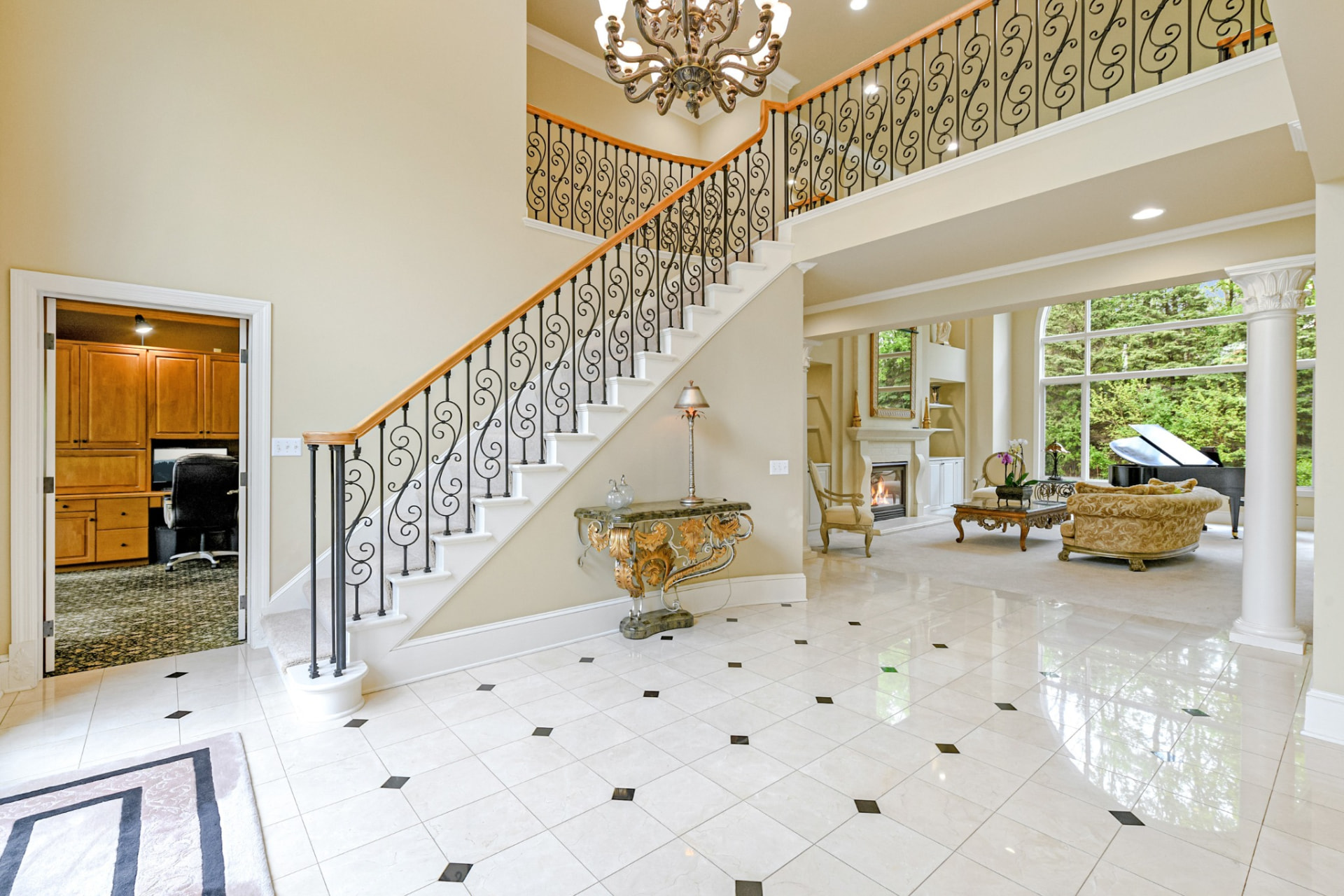
The Short Answer
If you inherit a higher-value or distinctive home in Minnesota, do not automatically renovate it or rush it to market. First understand what the property is realistically worth today, its condition and future maintenance needs, what it costs to continue owning it, who the likely buyer would be, whether improvements would create a worthwhile return, and whether estate, ownership, tax, or probate questions need to be resolved first. Once those questions are clearer, the choice to keep, improve, or sell is usually much easier to evaluate.
A quick guide for families deciding what to do with an inherited custom, acreage, waterfront, historic, or otherwise distinctive Minnesota home.
Inheriting a higher-value or distinctive home can leave a family with much more than a piece of real estate.
The property may represent substantial financial value, but it can also carry decades of memories, family traditions, and emotional attachment. When the home is custom-built, on acreage, waterfront, historic, architecturally distinctive, or located in a higher-value community, determining what to do next can be more complicated than simply asking what the property is worth.
I have seen that firsthand.
In one Minneapolis inherited-property sale I helped with, my client had inherited his father's longtime home. Keeping the property was not the right long-term choice, but simply putting it on the market as quickly as possible did not feel right either.
We first looked at which improvements were likely to provide a worthwhile return, then developed the preparation, pricing, and marketing strategy around maximizing the value of the property without creating unnecessary stress for the family.
The home sold successfully, but the more important lesson was what happened before it was ever listed: we took the time to understand the property and the family's goals before deciding how to move forward.
You can read more about that experience in the inherited-property client story.
For some families, selling an inherited luxury home will ultimately be the right decision.
Others may choose to keep the property, renovate it, use it as a second home, rent it, or have one family member acquire the interests of the others.
Before making that decision, it helps to understand what makes a higher-value or distinctive property different.
Quick Answer: What Should You Do First With an Inherited Luxury Home?
If you inherit a higher-value home in Minnesota, do not automatically renovate it or rush to put it on the market.
First understand:
- what the property is realistically worth today
- its condition and major future maintenance needs
- what it costs to continue owning it
- who the likely buyer would be
- whether improvements are likely to create a worthwhile return
- whether estate, ownership, tax, or probate issues need to be addressed first
Once those questions are clearer, the choice to keep, improve, or sell the property often becomes easier to evaluate.
Start With the Property, Not the Listing Price
One of the biggest mistakes a family can make is deciding what to do with an inherited property before fully understanding what they own.
That is especially true with custom and distinctive homes.
A custom residence in Lake Elmo, acreage property in Afton, historic home in Stillwater, higher-end home in Woodbury, or waterfront property in the St. Croix Valley may have characteristics that cannot be captured by an automated valuation or a simple price-per-square-foot calculation.
With these properties, I look beyond basic square footage and bedroom count.
Factors that may materially affect value include:
- land, privacy, or waterfront
- architecture and construction quality
- views and lot orientation
- renovation quality and condition
- garages, outbuildings, or specialized amenities
- neighborhood and location
- features that would be difficult for another buyer to recreate
Before deciding whether to keep, renovate, or sell, the family should understand the home's current market position.
That means more than arriving at a number.
The goal is to understand what buyers may value, where they may see risk, and what makes the home different from the alternatives available to them.
Why Luxury and Distinctive Homes Can Be Harder to Value
Some homes are relatively straightforward to compare because many similar properties have sold nearby.
Luxury and custom homes often are not.
Two homes with similar square footage can have substantially different values because one sits on private acreage, another has exceptional architecture, and another has waterfront or a setting that cannot easily be duplicated.
That is why I am cautious about relying too heavily on price per square foot with distinctive properties.
Price per square foot can provide useful context, but it rarely explains the entire home.
One of the better questions to ask is:
What does this property have that would be difficult or impossible for another buyer to recreate?
That can be land, privacy, architecture, mature trees, views, waterfront, craftsmanship, or location.
Those characteristics may tell us more about the property's market position than a broad neighborhood average.
Understand the Likely Buyer Before You Renovate
An inherited home may have been meticulously maintained and still reflect the preferences of an earlier generation.
That can create an understandable urge to renovate.
Families may see an older kitchen, dated bathrooms, original flooring, lighting, or landscaping and assume that major improvements are required before selling.
Sometimes they are.
But with a higher-value home, guessing wrong can become expensive very quickly.
Before recommending major work, I would first want to understand:
Who is the likely buyer for this home, and what will that buyer actually care about?
A custom home on an exceptional lot may benefit more from careful cosmetic preparation than from a major renovation.
Another property may genuinely require more significant work to compete effectively.
The answer should depend on the home, the likely buyer, competing inventory, the cost of the proposed improvements, and the realistic return.
If that trade-off is the question on your mind, Should You Sell an Inherited House As-Is or Fix It Up First? covers it in more detail.
Minnesota Details Families Can Easily Overlook
Higher-value inherited properties in Minnesota can come with practical issues that are easy to miss when a family is focused on the larger estate decision.
If the Home Will Sit Vacant
If nobody will be living in the property, the family should contact the insurance company promptly and confirm what coverage remains in place and whether the insurer has additional requirements for a vacant or unoccupied home.
This is particularly important during a Minnesota winter, when heating failures, frozen pipes, snow, ice, and delayed discovery of property damage can create significant problems.
Do not make blanket assumptions about what an insurance policy covers or excludes. Insurance provisions vary by carrier and policy, so confirm the specifics with your agent or carrier.
Private Wells
Many acreage and rural properties rely on private wells.
Minnesota requires sellers to disclose the number, location, and status of known wells when real estate is sold or transferred. The state's official resource on Minnesota well disclosure requirements explains what is involved, and property-specific questions are best directed to the appropriate professional or agency.
Septic Systems
Acreage and higher-end rural properties may also have private septic systems.
Minnesota septic programs are administered locally. County, city, and township requirements can vary, and some jurisdictions require a compliance inspection before a property transfer. The Minnesota Pollution Control Agency's page on Minnesota septic system requirements is a useful starting point, and the applicable local government should be consulted for the property involved.
St. Croix Riverway Properties
Waterfront and bluff properties along the Lower St. Croix can have additional land-use considerations.
Local riverway regulations can affect issues such as setbacks, structure height, vegetation, lot coverage, shoreline work, and future improvements. The Minnesota DNR's Lower St. Croix Riverway property regulations overview explains the framework, and local ordinances and the property's specific location determine what applies.
For an inherited St. Croix River property, these restrictions may affect both renovation plans and how a future buyer evaluates the property.
Date-of-Death Value
Families may also hear from their attorney, CPA, or estate professional that a value is needed as of the owner's date of death.
Federal tax rules generally use fair market value at the date of death, or an applicable alternate valuation date, when establishing basis for inherited property, although the family's exact tax treatment depends on its circumstances. The IRS guidance on inherited home basis covers the general framework.
Jason Lange does not provide tax advice. Readers should consult a CPA, attorney, or other qualified tax professional regarding basis, capital gains, estate matters, and valuation requirements.
Carrying Costs Can Change the Decision
The value of a luxury home is only one part of the equation.
Families should also understand what it costs to continue owning it.
For a larger or more complex property, those expenses may include:
- property taxes and insurance
- utilities and heating
- lawn, snow, and landscape maintenance
- pool, waterfront, well, or septic expenses
- repairs and mechanical upkeep
- maintenance of acreage or outbuildings
A substantial home can require meaningful attention and expense even if nobody is living there full time.
That does not make selling automatically right.
It simply means keeping the home should be evaluated as a real financial and lifestyle decision rather than the default choice.
Deferred Maintenance Can Be More Significant in a Larger Home
A property can look beautiful and still contain expensive future projects.
Higher-value homes may have multiple HVAC systems, large roofs and window packages, extensive landscaping, pools, private drives, wells, septic systems, docks, generators, or outbuildings.
The family does not necessarily need to repair or replace everything before selling.
But knowing what exists can help answer:
- Should we address this before selling?
- Should our pricing account for it?
- Would the likely buyer prefer to make the improvement themselves?
The goal is not to create an overwhelming repair list.
It is to reduce surprises and make decisions with better information.
Marketing a Distinctive Home Requires More Than Putting It on the MLS
When the property is unusual, the marketing strategy should explain why the home deserves attention.
That may mean emphasizing its architecture, setting, land, privacy, waterfront, craftsmanship, historic character, outdoor living, or the lifestyle associated with the property.
Professional photography matters.
So do video, copy, positioning, pricing, and the way the home's story is presented.
After more than 450 real estate sales, I have learned that distinctive properties should not all be marketed the same way.
Every property has a different likely buyer and a different reason that buyer may choose it.
You can see an example of how a distinctive property came together in this luxury success story.
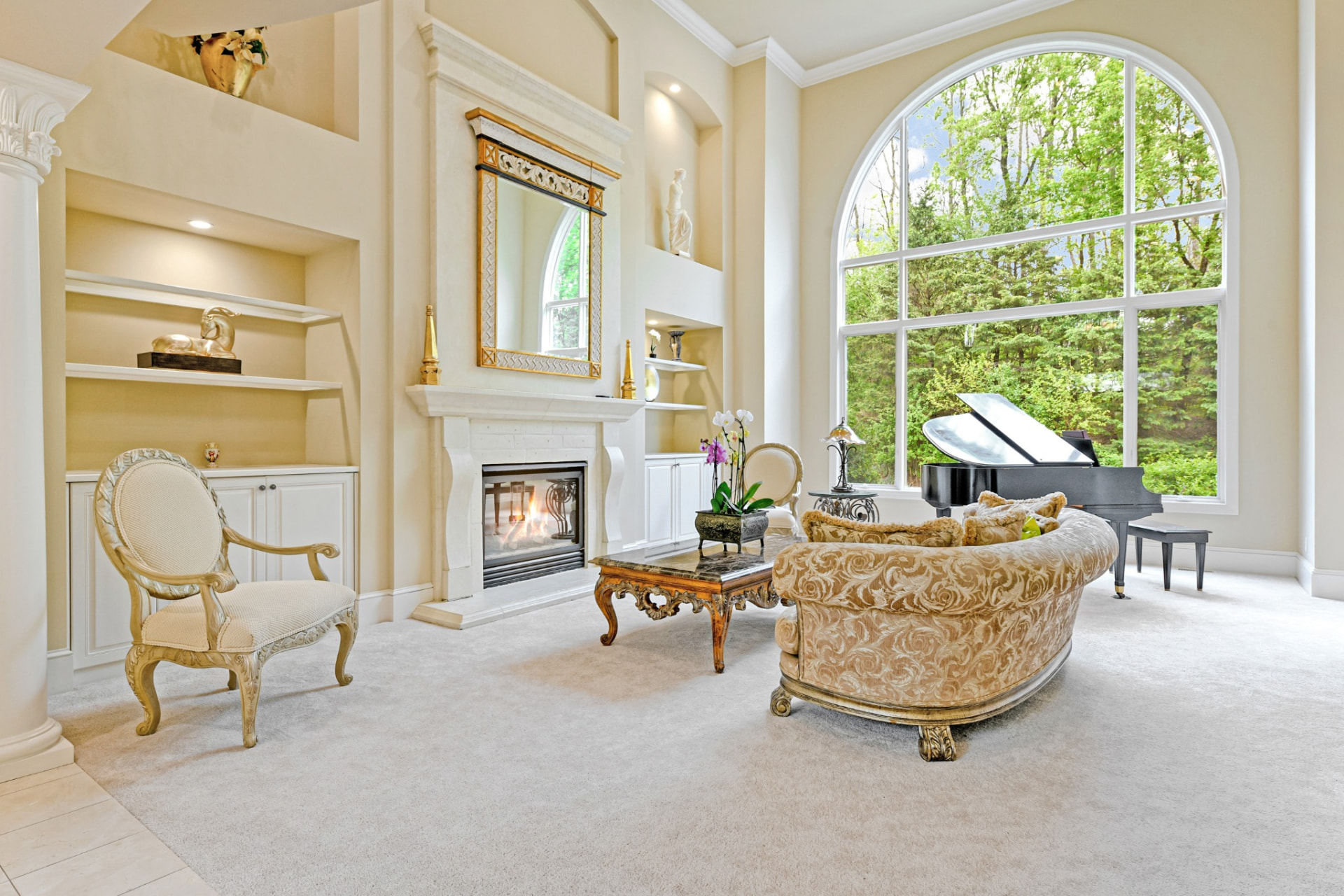
Keeping the Property May Be the Right Decision
Not every inherited-property conversation should result in a listing.
The family may decide that the home has more value to them as a second residence, family gathering place, future primary home, or long-term asset.
One family member may also decide to retain the property while acquiring the interests of the others.
Those choices may involve legal, financial, tax, and estate questions outside the role of a REALTOR®.
Good real estate information can still help.
Understanding probable market value, selling costs, condition, buyer demand, and likely preparation expenses gives the family better information for comparing its options.
Sometimes learning what a property could sell for helps a family decide to keep it.
Sometimes it helps them decide to sell.
Either decision can be reasonable.
Multiple Heirs Can Add Another Layer of Complexity
An inherited property becomes more complicated when several people have an ownership or estate interest.
Different family members may have different goals, and the REALTOR® should not attempt to resolve family disputes.
Jason's role is to provide objective real estate information such as market value, comparable properties, buyer demand, preparation considerations, marketing options, and how the property may compete.
For a closer look at coordinating those conversations, Working With Attorneys and Family When Selling an Inherited Property addresses that topic in detail.
Probate and Estate Timing Can Affect the Sale
Before inherited real estate is sold, the person handling the estate must have the appropriate legal authority to proceed.
Whether probate is necessary, who may sign, and when the property can transfer depend on the ownership and estate circumstances.
Those are legal questions and should be handled by a qualified attorney.
From the real estate side, planning may still begin earlier.
Families can often begin gathering information about market value, condition, preparation, timing, and potential marketing while legal matters are being resolved. Probate and the Real Estate Timeline in Minnesota explains how those two tracks typically interact.
If you are earlier in the process and want the broader picture, my inherited property in Minnesota guide walks through the options in plain language.
An Inherited Luxury Home Can Be a Legacy Decision
Some of the most important value in an inherited home may never appear on an appraisal.
A property can represent decades of a family's life.
That is why I do not believe the first conversation necessarily needs to be about how quickly a home can be listed.
Sometimes the better starting point is:
- What exactly do we own?
- What is it realistically worth today?
- What will it cost to keep?
- What condition is it in?
- Who is the likely buyer?
- Would improvements materially change the outcome?
- What does the family actually want to accomplish?
Once those questions become clearer, the real estate decision often becomes clearer too.
Considering What to Do With an Inherited Luxury Home in Minnesota?
I have been a REALTOR® since 2004 and have a finance background dating to 1997. Over more than 450 real estate sales, I have learned that some of the most important decisions happen before a property ever reaches the market.
If you have inherited a higher-value, custom, acreage, waterfront, historic, or otherwise distinctive property in Woodbury, Stillwater, Lake Elmo, Bayport, Afton, the St. Croix Valley, or elsewhere in the Twin Cities, I can help you understand the real estate side of the decision.
We can look at:
- likely market value
- condition and preparation
- probable buyer expectations
- current competition and demand
- marketing considerations
- what a sale could realistically look like
There is no requirement that the conversation lead to a listing.
Sometimes the most useful first step is simply getting enough information to make a sound decision about what comes next.
Jason Lange, REALTOR® | RE/MAX Results
You can also read additional client experiences on Google Reviews and Zillow Reviews.
Frequently Asked Questions
Should I renovate an inherited luxury home before selling?
+
Not automatically. Some higher-value homes benefit from targeted improvements, while others may be better positioned by leaving major renovations to the next owner. The decision should be based on the property's condition, likely buyer, competing inventory, improvement costs, and realistic return.
How do you value an inherited luxury home when there are few comparable sales?
+
Distinctive homes usually require looking beyond price per square foot. Land, setting, architecture, privacy, waterfront, views, condition, craftsmanship, improvements, and location may all materially influence value.
Can multiple heirs sell an inherited home in Minnesota?
+
Potentially, but ownership and the estate process determine who has authority to make decisions and sign documents. An appropriate Minnesota attorney should advise the family on legal authority and estate matters.
Can we start preparing the home before probate is complete?
+
Real estate planning may often begin while legal matters are being resolved. A family may be able to evaluate the property, discuss value, consider preparation options, and develop a future marketing plan. Legal authority to sell or transfer the property should be confirmed with the appropriate attorney.
Are wells and septic systems important when selling an inherited Minnesota property?
+
They can be, especially with acreage and rural properties. Minnesota has statewide well disclosure requirements, while septic requirements are administered locally and can vary by jurisdiction. Property-specific requirements should be verified before the sale.
Does an inherited home's date-of-death value matter?
+
It may matter for tax and estate purposes. Federal tax rules generally use fair market value at the date of death, subject to applicable exceptions and estate circumstances. Families should obtain advice from their CPA, attorney, or other qualified tax professional.
About the Author
Written by Jason Lange
Jason Lange is a REALTOR® with RE/MAX Results, serving buyers and sellers throughout the Twin Cities, East Metro, St. Croix Valley, and Western Wisconsin. Licensed since 2004 and working in housing since 1997, Jason has closed 450+ real estate transactions and earned 100+ five-star client ratings. His mortgage background adds a distinctive perspective on pricing, financing, negotiation, and offers. RE/MAX Results · 612-247-7593
More about Jason →Equal Housing Opportunity. Jason Lange, REALTOR® with RE/MAX Results. MN License #20457477 · WI License #62499-94. This article is general information only and is not legal, tax, insurance, or financial advice. Confirm your specific situation with your attorney, CPA, insurance professional, tax advisor, or other appropriate professional.